How to Give Well After a Disaster: A Donor's Checklist
Cash to experienced, locally connected organizations almost always helps faster than donated goods. Here is a practical checklist for giving in the first days, weeks and months after a disaster.
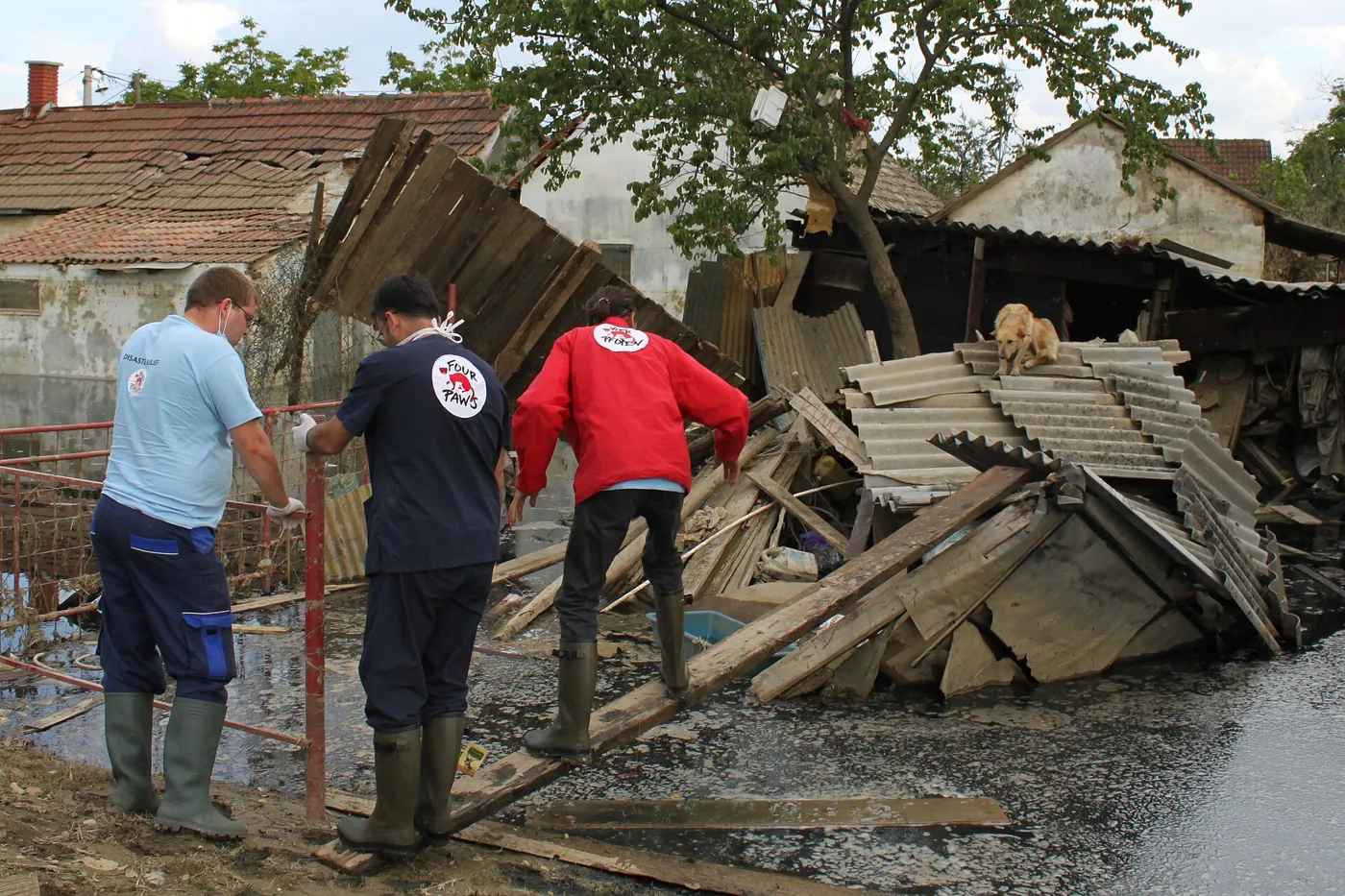
Photo: Nina Bazza (CC BY-SA 4.0) via Wikimedia Commons
When a hurricane, flood, wildfire or earthquake makes the news, generosity spikes within hours. That instinct is good. Where it goes wrong is in the details: well-meant shipments of clothing that nobody can store, duplicated donations to the most visible organization, and giving that stops long before recovery does.
Give cash, not goods
National and international response groups consistently ask donors for money rather than physical items. Cash lets responders buy what is actually needed, close to where it is needed, without paying to ship, sort and warehouse unsolicited goods. FEMA's guidance to the public is explicit on this point, and voluntary organizations active in disaster echo it.
Ask who is already on the ground
The organizations that matter most in the first 72 hours are usually the ones that were already working in the affected community: food banks, faith networks, clinics, mutual-aid groups and local chapters of national responders. They have relationships, staff and warehouses in place. National brands can be excellent partners, but check whether their disaster program actually operates in that region.
Confirm the organization is real and eligible
Disasters attract fraud. Before giving:
- Look up the organization in the IRS Tax Exempt Organization Search to confirm its status.
- Be skeptical of newly created social accounts and of names that closely imitate well-known charities.
- Do not give through pressure, urgency scripts or unusual payment methods.
Understand restricted versus general relief giving
A gift restricted to one named event can only be spent on that event. That is appropriate when the need is clear, but general disaster funds let an organization respond to the next emergency immediately instead of fundraising from zero. Many donors do both.
Plan for the long tail
Recovery lasts years. Debris removal, rebuilding, mental health support, small-business recovery and case management all continue long after the news cycle ends, and funding usually collapses within weeks. A recurring gift, or a second gift scheduled six months out, is one of the most useful things an individual donor can do.
How giving works here
Contributions on this site are made to a 501(c)(3) organization that grants them to eligible charitable recipients. That structure means a donor can respond quickly without personally vetting the receiving organization's paperwork, and it means every gift is receipted in one place.
:::note
Donations are irrevocable and are granted at the sponsoring organization's discretion to eligible charitable recipients. Recipient selections are donor recommendations.
:::
Giving well after a disaster is not complicated. Give cash, give to organizations already present, verify before you send, and give again after everyone else has stopped.
Where to go next
See where response is already underway on the disaster relief and crisis pages, browse Disaster Relief causes such as hurricane, flood and wildfire response, or find responding organizations in the nonprofit directory.
Sources & references
Where to give on this topic
Related causes
Give where response is already underway
Browse active relief situations and the Global Funds supporting them.